Introduction
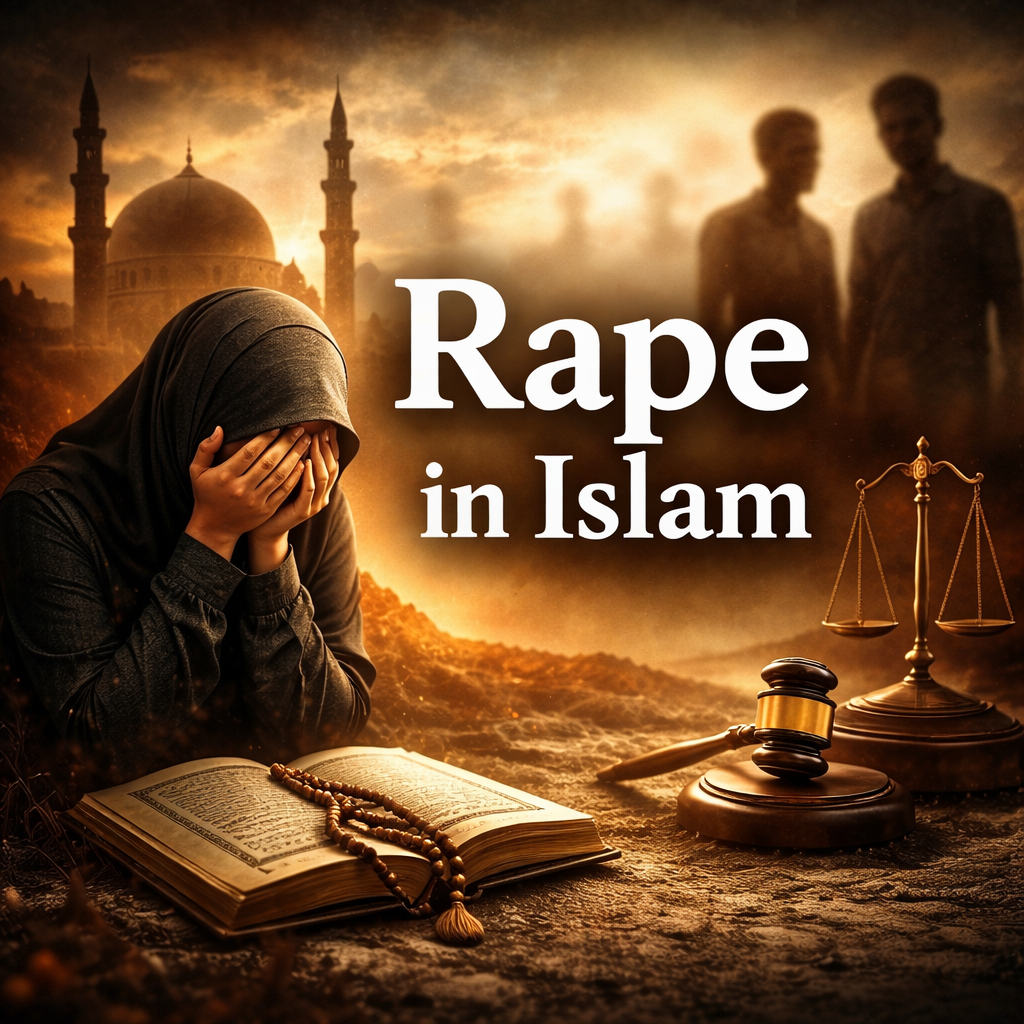
Islam strongly emphasizes justice, dignity, and the protection of human rights. One of the most serious crimes condemned in Islam is sexual violence, including rape. Islam protects the honor, safety, and dignity of every human being, especially women.
Rape is considered a grave violation of moral, social, and religious values. Islamic teachings clearly state that harming another person physically or emotionally is strictly forbidden.
The teachings found in the Qur’an and the guidance of Prophet Muhammad show that justice must always be upheld and victims must be protected.
Understanding Islam’s position on this issue helps remove misconceptions and highlights how strongly Islam condemns such crimes.
The Importance of Human Dignity in Islam
Islam places great importance on the dignity and honor of every human being. Protecting personal dignity is one of the fundamental objectives of Islamic law.
Islam teaches that every person deserves safety and respect. Any act that violates a person’s body or dignity is considered a serious sin.
The Qur’an repeatedly emphasizes justice, fairness, and the protection of innocent people.
Sexual violence is completely against the values of Islam because it destroys trust, safety, and social harmony.
What Is Rape According to Islamic Understanding?
Rape in Islamic law refers to forcing someone into sexual activity without consent. It is considered both a major crime and a major sin.
Islam clearly differentiates between lawful marital relations and forced sexual acts. Consent and respect are essential principles in Islamic teachings.
When a person commits rape, they violate several Islamic principles:
- The sanctity of human dignity
- The prohibition of oppression
- The command to protect the weak
- The obligation to act with justice
Because of these violations, rape is treated as a very serious offense.
Punishment for Rape in Islamic Law
Islamic law treats rape as a severe crime that deserves strict punishment.
Many classical Islamic scholars classify rape under violent crime or forced adultery. In some interpretations, it is treated similarly to the crime of hirabah (violent aggression against society).
Depending on the circumstances and evidence, punishments in classical Islamic law may include severe legal penalties.
However, it is important to understand that these punishments can only be applied through a legitimate Islamic judicial system after a proper investigation and legal process.
Islam strongly emphasizes justice, fairness, and the protection of the innocent in any legal ruling.
Protection and Support for Victims
Islam shows compassion and protection for victims of injustice.
Victims of sexual violence are not blamed in Islamic teachings. Instead, the responsibility lies entirely with the criminal who committed the act.
Islamic teachings encourage society to support victims and ensure they receive justice and care.
The life and teachings of Prophet Muhammad demonstrate that victims of wrongdoing should be protected and treated with kindness.
Islam promotes a society where people feel safe and supported rather than ashamed or silenced.
The Role of Justice in Islam
Justice is one of the central values of Islam.
The Qur’an commands believers to stand firmly for justice even if it is against themselves or their relatives.
This principle ensures that crimes such as rape are treated with seriousness and fairness.
Islamic law aims to protect society from harm and to prevent oppression. By establishing clear moral and legal rules, Islam seeks to create a safe and respectful community.
Preventing Sexual Violence in Society
Islam not only punishes crimes but also encourages preventive measures to protect society.
Some of the key Islamic teachings that help prevent sexual violence include:
- Promoting modesty and respectful behavior
- Encouraging moral responsibility
- Teaching men to control their behavior and respect women
- Building strong family and social values
- Promoting justice and accountability
These principles help create a society where dignity and respect are protected.
The Responsibility of Society
Islam teaches that society has a responsibility to protect vulnerable individuals.
Families, communities, and leaders must work together to prevent injustice and ensure safety for everyone.
Islam encourages people to speak against oppression and support victims of wrongdoing.
Creating awareness about respect, morality, and justice is an important step toward preventing crimes like sexual violence.
Misconceptions About Islam and Women’s Rights
Some people mistakenly believe that Islam does not protect women. In reality, Islamic teachings strongly defend women’s dignity and rights.
Islam was among the first systems in history to establish clear rules protecting women’s honor and safety.
The teachings of Prophet Muhammad consistently emphasized kindness, respect, and fairness toward women.
Understanding these teachings helps correct misunderstandings about Islam and women’s rights.
Moral Lessons from Islamic Teachings
Islam teaches several important moral lessons related to justice and human dignity.
Believers are encouraged to:
- Respect others
- Protect the weak
- Stand against oppression
- Promote justice and fairness
- Treat women with dignity and honor
These teachings help create a society based on compassion and responsibility.
Final Thoughts
Islam strongly condemns rape and all forms of sexual violence. Such acts violate the fundamental principles of justice, dignity, and human rights taught in Islam.
The teachings found in the Qur’an and the example of Prophet Muhammad clearly show that Islam seeks to protect individuals and ensure justice in society.
Rape is treated as a serious crime that harms both individuals and communities. Islamic teachings emphasize accountability, justice, and compassion for victims.
By following the moral values of Islam, societies can work toward preventing injustice and building communities based on respect, safety, and dignity.