Introduction
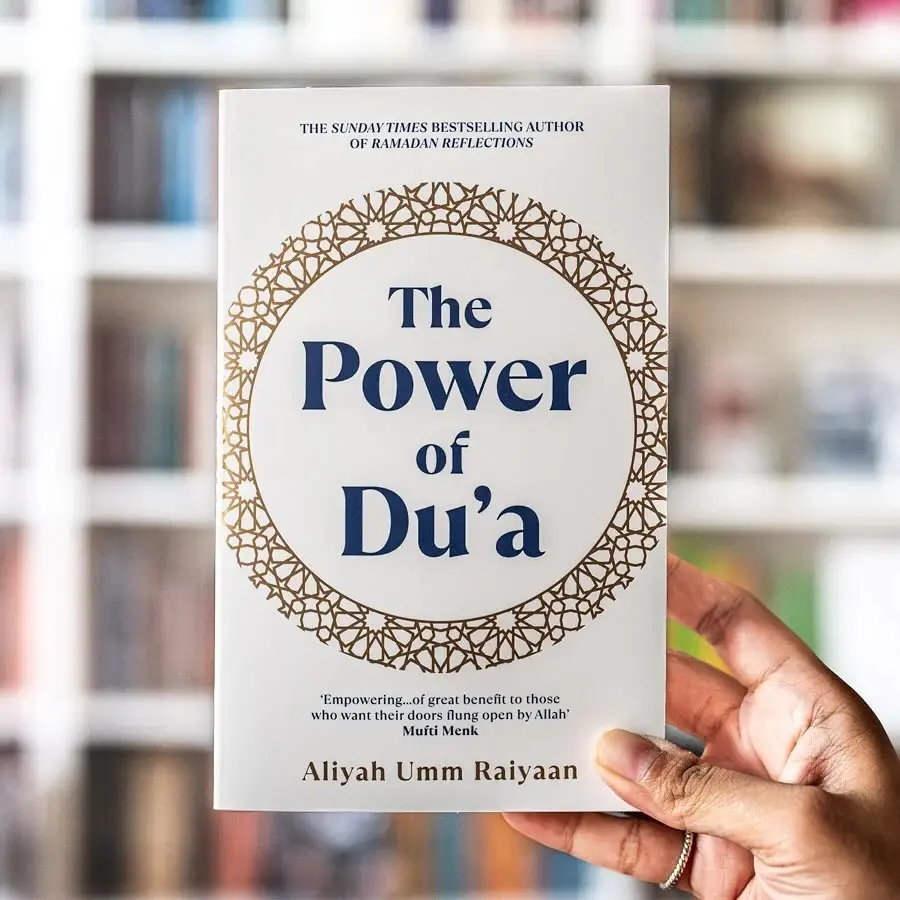
Dua, or supplication, is one of the most powerful acts of worship in Islam. It is a direct connection between a believer and Allah. Every Muslim is encouraged to make dua for guidance, forgiveness, success, and relief from hardships. Understanding the power of dua can transform a believer’s life and bring them closer to Allah.
In Islam, dua is not merely asking for worldly needs; it is a spiritual tool that strengthens faith, patience, and trust in Allah. This article explores the importance, benefits, proper etiquette, and timing of dua in a believer’s life.
What is Dua in Islam?
Dua, derived from the Arabic word meaning “to call” or “to pray,” is a personal conversation with Allah. Unlike formal acts of worship like Salah, dua can be made anytime, anywhere, and in any language. It reflects humility, sincerity, and dependence on Allah.
The Prophet Muhammad (peace be upon him) said:
“Dua is the essence of worship.”
This highlights its central role in a believer’s spiritual journey.
Why Dua is Powerful
Dua holds immense power because it comes directly from the heart of a believer to Allah. No matter how small or large the request, Allah listens and responds in the best way. A believer’s dua demonstrates faith, hope, and reliance on Allah’s wisdom.
Connection with the Creator
Powerful duas not only request help but also strengthen the connection with the Creator. When a believer faces difficulties, making dua offers comfort, guidance, and clarity.
Strengthens Dependence on Allah
Dua reminds believers that they cannot control everything and that true reliance is only on Allah. It cultivates humility and reinforces submission to Allah’s will.
Benefits of Making Dua
Strengthens Faith (Iman)
Regular dua reinforces belief in Allah. By acknowledging human weakness and Allah’s supremacy, a believer’s iman grows stronger. Dua reminds us that success, protection, and happiness come only from Allah.
Brings Peace of Mind
Life is filled with stress and uncertainty. Dua provides emotional relief by placing trust in Allah. It reduces anxiety, brings clarity in decision-making, and offers hope even in challenging circumstances.
Removes Hardships
Allah promises that He responds to every sincere dua. Even if the answer is delayed, it often comes in the form of protection from unseen harm or guidance toward something better.
Forgives Sins
Making dua with sincerity and repentance is a means of seeking forgiveness. The Prophet Muhammad (peace be upon him) said:
“Dua can avert destiny as much as it does prayer.”
This shows its immense spiritual power.
How to Make Dua Properly
Islam teaches a few etiquettes to maximize the effectiveness of dua:
- Begin with praise of Allah and salutations on the Prophet (peace be upon him).
- Make dua with sincerity and humility.
- Face the Qiblah (optional, but recommended).
- Raise your hands while making dua.
- Include both worldly and spiritual needs.
- End with gratitude, praising Allah for answering in His wisdom.
Key Mistakes to Avoid
Even though dua is simple, many believers unknowingly make mistakes:
- Asking with impatience or doubt
- Neglecting gratitude
- Ignoring recommended etiquettes
Correcting these mistakes improves the acceptance of dua and strengthens faith.
Timing and Situations for Dua
Some moments are especially recommended for dua:
- During the last third of the night
- Between Adhan and Iqamah
- While fasting
- After obligatory prayers
- During travel
- In times of distress and hardship
These moments hold special blessings and increase the likelihood of acceptance.
Final Thoughts : Dua in Hardship
Dua is most powerful during difficulties. Trials and challenges are opportunities for a believer to turn to Allah with sincerity. Patience combined with dua brings peace and spiritual reward.