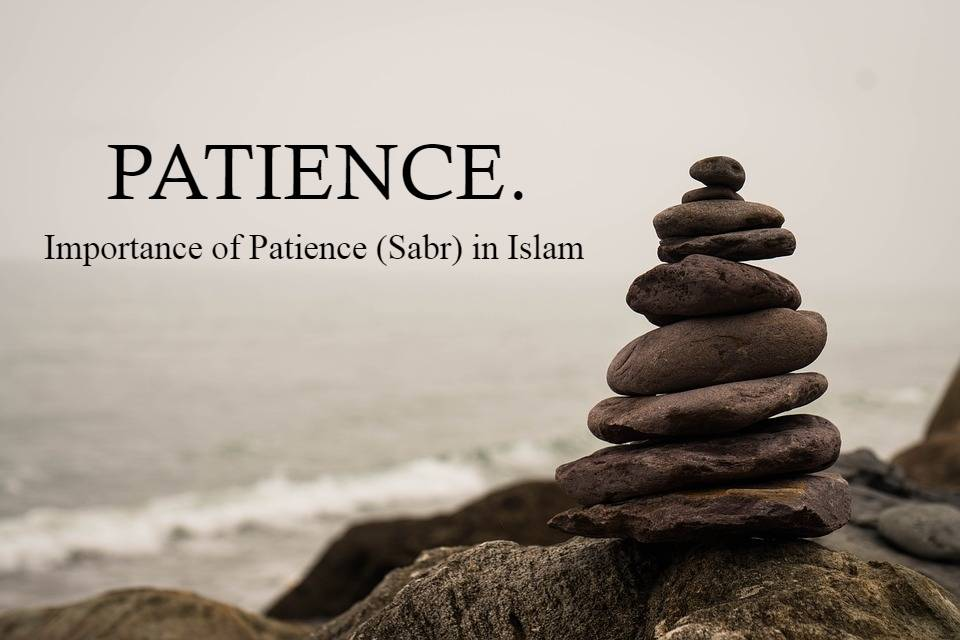
Patience in Islam (Sabr): An Introduction
Patience in Islam (Sabr) is one of the most fundamental and powerful virtues emphasized throughout Islamic teachings. It represents self-restraint, perseverance, and unwavering trust in Allah during both times of ease and hardship. Patience in Islam is not merely about waiting silently through difficulties; it is an active form of worship that strengthens faith and purifies the soul. The Quran and Hadith repeatedly remind believers that patience is the key to success in this world and the Hereafter.
Meaning of Patience in Islam (Sabr)
Patience in Islam (Sabr) comes from the Arabic root word that signifies holding oneself firm. In Islamic terminology, it means controlling emotions, actions, and reactions for the sake of Allah. A believer practicing patience avoids complaining, despair, and sinful behavior during trials. Instead, patience in Islam encourages hope, gratitude, and reliance on Allah’s wisdom, even when circumstances appear difficult or unclear.
Types of Patience in Islam
Islamic scholars explain that patience in Islam is divided into three main categories. The first is patience in obeying Allah, which includes consistency in prayer, fasting, and fulfilling religious obligations. The second is patience in avoiding sins, requiring strong self-control in a world full of temptations. The third type is patience during hardship, such as illness, loss, poverty, or emotional pain. All three forms of patience in Islam are equally important and highly rewarded.
Importance of Patience in Islam According to the Quran
The Quran places immense importance on patience in Islam. Allah commands believers to seek help through patience and prayer and assures them that He is with those who remain patient. Patience is mentioned repeatedly as a quality of the successful and righteous. The Quran also teaches that life’s difficulties are tests meant to strengthen faith. Through patience in Islam, believers gain divine support, guidance, and mercy.
Rewards of Patience in Islam
One of the most beautiful aspects of patience in Islam is the promise of unlimited reward. Allah declares that those who practice patience will be rewarded without measure. This means the reward for patience cannot be calculated or compared. Patience in Islam leads to forgiveness of sins, elevation in rank, and eternal success in the Hereafter. Every moment of patience is recorded and rewarded by Allah.
Patience in Islam in the Life of the Prophet
The life of Prophet Muhammad (peace be upon him) is the greatest example of patience in Islam. He endured persecution, mockery, and physical harm with remarkable patience and mercy. Despite facing rejection and hostility, he never lost hope in Allah. His patience was rooted in deep faith and trust. By following his example, Muslims learn that patience in Islam brings dignity, strength, and ultimate victory.
Patience in Islam During Hardships
Hardships are an inevitable part of human life. Islam teaches that trials are not punishments but tests of faith. Patience in Islam transforms suffering into spiritual growth. When a believer remains patient during loss or pain, their heart becomes stronger and closer to Allah. Islam encourages believers to trust Allah’s plan and remain patient, knowing that every hardship comes with ease.
Patience in Islam and Mental Peace
Patience in Islam plays a vital role in achieving mental peace and emotional stability. Many people experience anxiety due to impatience and unrealistic expectations. Islam teaches that patience calms the heart and removes unnecessary worry. When a believer practices patience in Islam, they learn to trust Allah’s timing, which brings inner peace even during uncertainty and difficulty.
How to Develop Patience in Islam
Developing patience in Islam requires consistent effort and spiritual discipline. Regular prayer strengthens patience by connecting the heart to Allah. Remembering that everything happens by Allah’s decree makes hardships easier to bear. Making dua for patience is highly encouraged in Islam. Reflecting on past difficulties that eventually turned into ease also helps strengthen patience and trust in Allah.
Patience in Islam in Relationships
Patience in Islam is essential in family life, friendships, and social interactions. Islam encourages believers to control anger, forgive others, and respond to negativity with kindness. Practicing patience in relationships prevents conflicts and builds harmony. A patient person earns respect from people while gaining reward from Allah.
Patience in Islam as a Sign of Strong Faith
Strong faith and patience in Islam are deeply connected. A believer who truly trusts Allah remains patient even when situations feel unfair or confusing. Patience reflects confidence in Allah’s justice and wisdom. The stronger a person’s faith, the greater their patience. This is why prophets and righteous individuals demonstrated extraordinary patience during severe trials.
Patience in Islam and Success
Islam teaches that true success is achieved through patience. Whether in education, work, relationships, or spirituality, patience is always required. Impatience leads to poor decisions, while patience leads to wisdom and long-term benefit. Patience in Islam teaches believers to wait for Allah’s perfect timing, knowing that He never delays without reason.
Final Thoughts
Patience in Islam (Sabr) is not simply about enduring hardship; it is a powerful act of worship that strengthens faith and purifies the soul. Through patience in Islam, believers earn Allah’s pleasure, unlimited rewards, and lasting inner peace. In a world filled with trials and distractions, patience serves as a guiding light that keeps a believer firm on the straight path. By practicing patience consistently, a Muslim transforms every challenge into an opportunity for spiritual growth and eternal success.