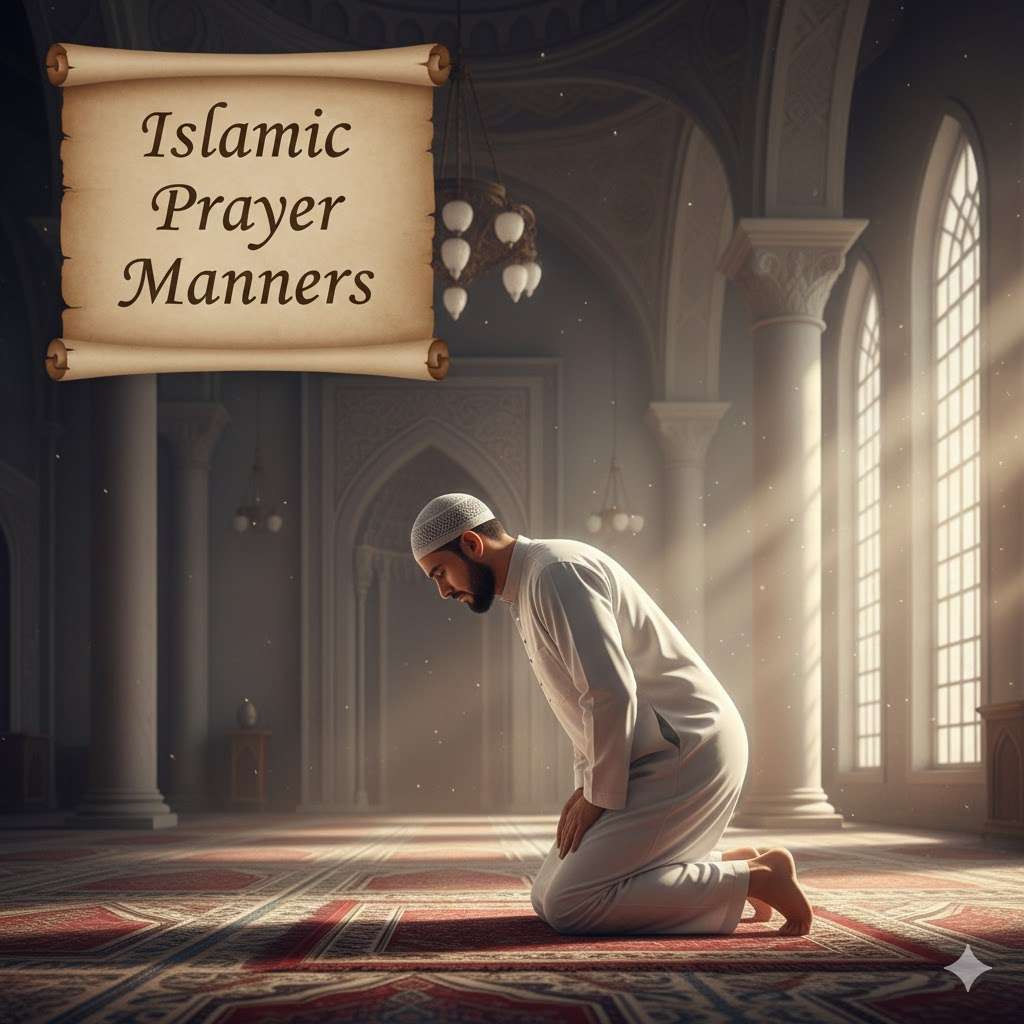
Prayer (Salah) is the cornerstone of a Muslim’s life. Beyond performing the obligatory actions, Islam emphasizes manners and etiquette during prayer to ensure the worship is accepted and spiritually beneficial. Observing the correct Islamic prayer manners increases humility, focus, and connection with Allah.
This article explains the proper conduct, Sunnah practices, and etiquettes every Muslim should observe during salah, along with tips to maintain concentration and respect in prayer.
Importance of Prayer Manners in Islam
Prayer is not just a ritual; it is an act of worship that demands:
- Humility and devotion
- Respect for Allah’s presence
- Full attention and focus
The Prophet Muhammad ﷺ said:
“The key to Paradise is prayer, and the key to prayer is concentration.” (Al-Tirmidhi)
This highlights the importance of manners and etiquette in enhancing the spiritual quality of salah.
Before Prayer: Preparing with Proper Etiquette
1. Perform Wudu (Ablution) Correctly
- Ensure cleanliness of body, clothes, and prayer space.
- Wudu is a mandatory prerequisite and increases focus.
2. Wear Clean and Modest Clothing
- Clothes should be clean, free from impurities, and modest.
- Avoid flashy or distracting attire.
3. Maintain Mental Focus
- Take a moment to clear your mind of worldly distractions.
- Reflect on the meaning of prayer and your purpose.
Facing the Qiblah Properly
Facing the Qiblah (Kaaba in Makkah) is obligatory.
- Align your body straight and feet together.
- Stand calmly and focus your heart towards Allah.
- Correct facing improves concentration and devotion.
Starting the Prayer: Sunnah Manners
1. Make Niyyah (Intention)
- Clearly form the intention in your heart for the specific prayer.
- Intention differentiates acts of worship from routine movements.
2. Raise Hands at Takbir
- While saying “Allahu Akbar”, raise hands to shoulder height.
- This is a Sunnah act performed by the Prophet ﷺ.
3. Maintain Calmness and Humility
- Stand still, feet shoulder-width apart.
- Avoid fidgeting or unnecessary movements.
During Prayer: Maintaining Proper Manners
1. Focus and Khushu’ (Humility)
- Concentrate on each word and action.
- Understand the meaning of recitations.
- Avoid distractions from surroundings or thoughts.
2. Recite Al-Fatihah and Other Surahs Correctly
- Follow proper tajweed and pronunciation.
- Recitation with understanding increases reward.
3. Perform Ruku’ and Sujood Properly
- Bow and prostrate with humility.
- Keep positions steady and do not rush.
- Follow the Sunnah guidance for each posture.
4. Avoid Unnecessary Movements
- Move only when required by the prayer.
- Maintain stillness during recitation and bowing.
Ending Prayer: Proper Manners
1. Taslim (Salutation)
- Turn head to the right and left, saying “Assalamu Alaikum wa Rahmatullah”.
- Concludes the prayer with respect and courtesy.
2. Make Dua After Prayer
- Engage in short supplications, praise Allah, and send blessings on the Prophet ﷺ.
- Following the Sunnah increases spiritual reward.
Common Mistakes in Prayer Manners
- Neglecting khushu’ (lack of focus)
- Rushing through positions
- Fidgeting or unnecessary movements
- Not understanding recitation meaning
- Wearing inappropriate clothing
Correcting these ensures proper Islamic prayer manners and strengthens the spiritual essence of salah.
Additional Tips for Perfect Prayer Etiquette
- Maintain a clean and quiet prayer space.
- Avoid distractions from phones or others.
- Be consistent with prayer timings.
- Encourage family and children to follow proper manners.
- Reflect on the meaning of each verse and action.
Observing Islamic prayer manners is as important as performing the obligatory actions of salah. From proper preparation and facing the Qiblah to maintaining humility, concentration, and correct recitations, each step enhances the spiritual quality of prayer. Following the Sunnah, maintaining focus, and avoiding mistakes ensures that prayers are accepted and spiritually fulfilling.
May Allah guide us to perform our salah with proper manners, humility, and devotion. Ameen.