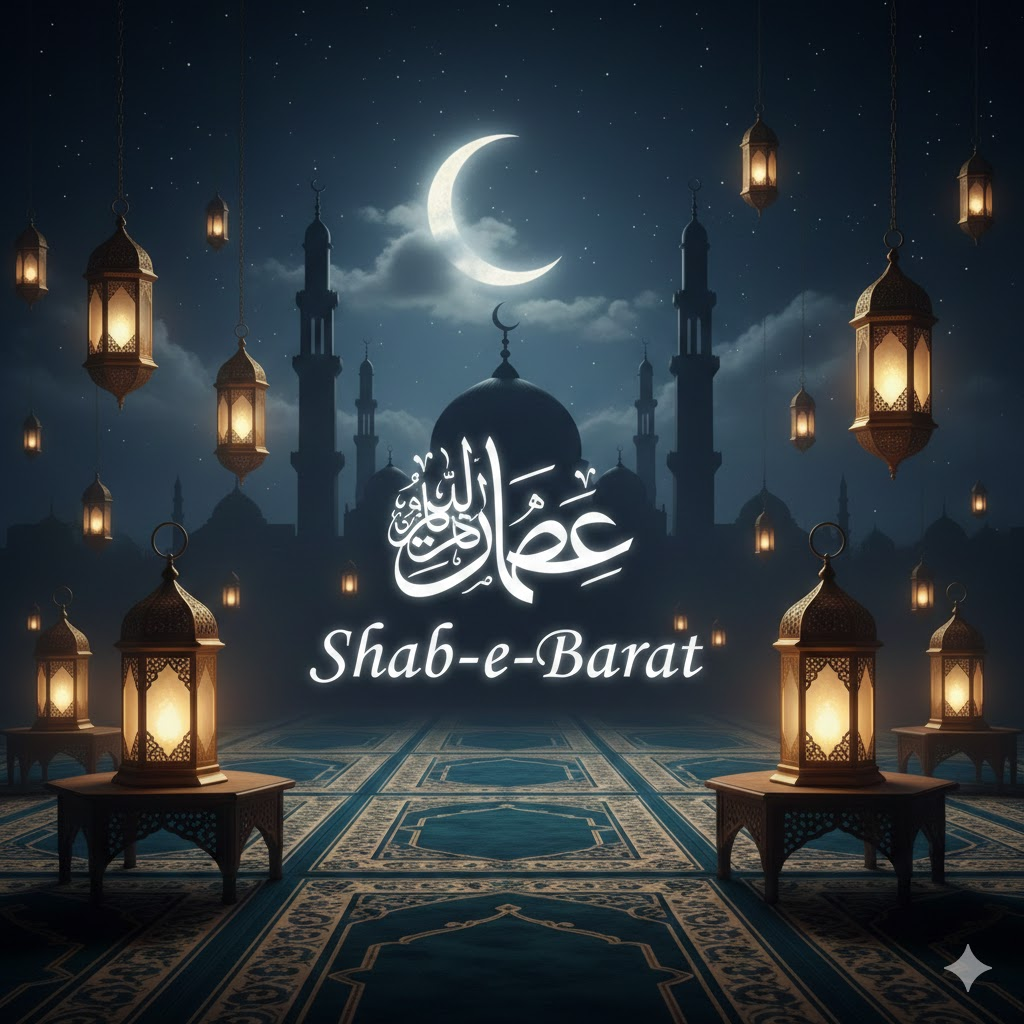
Introduction to Shab-e-Barat
Shab-e-Barat is one of the most significant nights in the Islamic calendar. It is observed on the 15th night of the Islamic month of Shaban, the month that comes just before Ramadan. The term Shab-e-Barat comes from Persian words meaning “The Night of Forgiveness” or “The Night of Emancipation.” Muslims around the world believe this night to be a time when Allah’s mercy, forgiveness, and blessings are abundantly bestowed upon His servants.
Importance of Shab-e-Barat in Islam
Shab-e-Barat holds great spiritual importance because it is considered a night when Allah decides the fate of His creation for the coming year. Many Islamic scholars state that on this night, records of deeds are presented, and sustenance, life, and death are decreed by Allah’s will. It is a night that encourages self-reflection, repentance, and a return to righteousness.
What the Quran and Hadith Say
Although the Quran does not mention Shab-e-Barat explicitly by name, many scholars link this night to the verse in Surah Ad-Dukhan (44:3–4) where Allah mentions a blessed night in which matters of wisdom are decreed.
Several Hadith also highlight the virtue of this night. According to narrations, the Prophet Muhammad ﷺ said that Allah looks upon His creation on the 15th night of Shaban and forgives all except those who associate partners with Him or hold hatred in their hearts.
Virtues of Shab-e-Barat
Shab-e-Barat is a night full of divine mercy and forgiveness. Some of its key virtues include:
- Forgiveness of sins for those who sincerely repent
- Acceptance of du‘a (supplication)
- Opportunity to renew one’s faith and intentions
- Spiritual preparation for the month of Ramadan
This night serves as a reminder that Allah’s mercy is greater than all sins, and the door of repentance is always open.
Recommended Acts of Worship on Shab-e-Barat
Muslims are encouraged to engage in various acts of worship during this blessed night. While no specific obligatory acts are prescribed, the following practices are widely encouraged:
1. Voluntary Prayers (Nafl Salah)
Offering extra prayers during the night is a common practice. These prayers help strengthen the connection with Allah and bring peace to the heart.
2. Seeking Forgiveness (Istighfar)
Sincerely asking Allah for forgiveness is one of the most important acts of this night. True repentance involves regret, seeking forgiveness, and making a firm intention not to repeat the sin.
3. Recitation of the Quran
Reciting and reflecting upon the Quran brings immense reward. Even a small portion read with understanding can be spiritually uplifting.
4. Making Du‘a
Shab-e-Barat is an ideal time to make du‘a for oneself, one’s family, and the entire Muslim Ummah. Du‘a for forgiveness, guidance, health, and success is highly recommended.
5. Fasting on the 15th of Shaban
Some scholars recommend fasting on the day following Shab-e-Barat, as voluntary fasting in Shaban was practiced by the Prophet ﷺ.
Acts to Avoid
Islam emphasizes moderation and following authentic teachings. Innovations, superstitions, and practices without Islamic evidence should be avoided. Worship should be sincere, simple, and in accordance with the Sunnah.
Shab-e-Barat and Preparation for Ramadan
One of the hidden wisdoms of Shab-e-Barat is that it prepares believers spiritually for Ramadan. By seeking forgiveness and purifying the heart before Ramadan, a Muslim enters the holy month with a clean soul and renewed faith.
Common Misconceptions About Shab-e-Barat
Some people believe that specific rituals or fixed numbers of prayers are mandatory on this night. However, Islam teaches that voluntary worship should be flexible and sincere. The true essence of Shab-e-Barat lies in repentance, humility, and turning back to Allah.
Lessons from Shab-e-Barat
Shab-e-Barat teaches Muslims several important lessons:
- Life is temporary, and accountability is certain
- Allah’s mercy is vast and always accessible
- Self-correction and spiritual growth are essential
- Forgiveness leads to inner peace
Final Thoughts
Shab-e-Barat is a powerful reminder of Allah’s infinite mercy and compassion. It is a night to reflect on one’s deeds, seek forgiveness, and strengthen the bond with Allah. By engaging in sincere worship and avoiding excess, Muslims can make the most of this blessed night and prepare their hearts for the upcoming month of Ramadan.
May Allah grant us the ability to benefit from Shab-e-Barat and forgive our sins. Ameen.