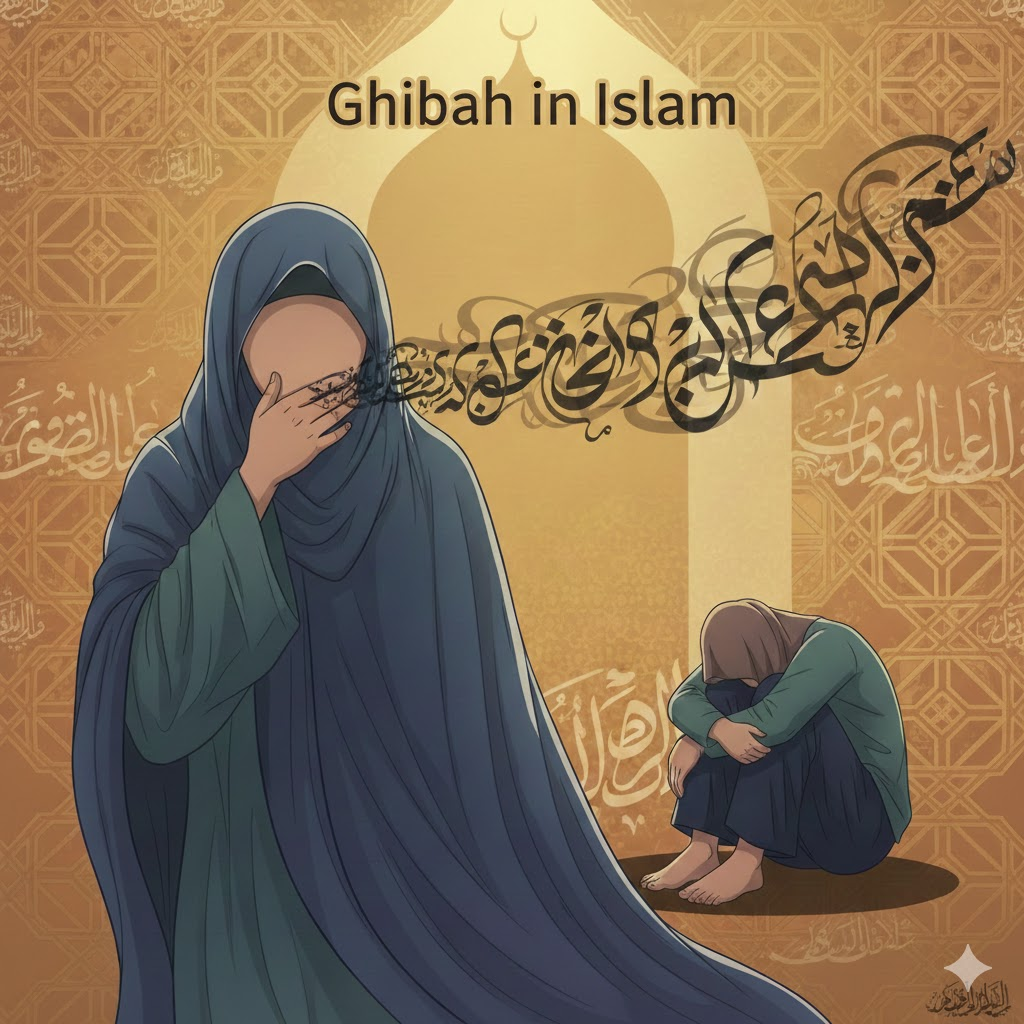
Introduction to Ghibah in Islam
Ghibah in Islam is one of the most dangerous and common sins in daily life. Many Muslims commit Ghibah unknowingly, thinking it is a small or harmless act. However, Islam strongly condemns backbiting and considers it a major moral crime. Ghibah destroys relationships, spreads hatred, and weakens faith. Understanding the meaning, severity, and consequences of Ghibah in Islam is essential for every believer who wants to live a pure and righteous life.
In today’s world of social media, gossip, and casual conversations, avoiding Ghibah has become more difficult than ever. Islam provides clear guidance through the Qur’an and Hadith on how to recognize Ghibah and protect ourselves from it. This article explains Ghibah in Islam in detail, its punishment, and practical ways to avoid it.
What Is Ghibah in Islam?
Ghibah in Islam refers to speaking about someone in their absence in a way that they would dislike, even if what is said is true. This definition comes directly from the teachings of Prophet Muhammad ﷺ.
The Prophet ﷺ said:
“Do you know what backbiting is?”
They said: “Allah and His Messenger know best.”
He said: “It is mentioning about your brother something that he dislikes.”
(Sahih Muslim)
This Hadith clearly explains that truth does not justify Ghibah. Even if the statement is accurate, it is still considered a sin if it harms the dignity of the person.
Difference Between Ghibah and Buhtan
Many people confuse Ghibah with Buhtan, but Islam clearly distinguishes between the two.
- Ghibah: Saying something true about a person behind their back that they dislike.
- Buhtan: Saying something false about a person, which is even more sinful.
While Buhtan is a form of false accusation, Ghibah in Islam is dangerous because it often feels “normal” and socially acceptable, making it easier to commit repeatedly.
Ghibah in the Qur’an
The Qur’an strongly condemns Ghibah using powerful imagery that highlights its ugliness. Allah says:
“And do not backbite one another. Would one of you like to eat the flesh of his dead brother? You would hate it.”
(Surah Al-Hujurat 49:12)
This verse compares Ghibah to eating the flesh of a dead brother—an image meant to shock and awaken the conscience of believers. It shows how disgusting and inhumane backbiting is in the sight of Allah.
Why Ghibah Is a Major Sin in Islam
Ghibah in Islam is considered a major sin because it violates the honor and dignity of a fellow Muslim. Islam places great importance on protecting human honor. A believer’s tongue should not harm others.
Some reasons why Ghibah is a major sin include:
- It spreads hatred and division
- It destroys trust and brotherhood
- It hardens the heart
- It reduces good deeds on the Day of Judgment
On the Day of Judgment, good deeds may be transferred to those who were backbitten, leaving the backbiter bankrupt of rewards.
The Punishment of Ghibah in the Hereafter
The punishment for Ghibah in Islam is severe. The Prophet ﷺ described a terrifying scene during his night journey (Mi’raj):
He saw people with copper nails scratching their faces and chests. When asked who they were, he was told:
“These are the people who used to eat the flesh of others and attack their honor.”
(Abu Dawood)
This Hadith shows that Ghibah is not a minor sin but one that brings painful punishment if not repented.
Common Forms of Ghibah in Daily Life
Many Muslims commit Ghibah without realizing it. Common forms include:
- Talking about someone’s physical appearance
- Criticizing someone’s family or background
- Sharing private mistakes or sins
- Mocking accents, behavior, or habits
- “Just joking” comments that hurt others
Even indirect gestures, facial expressions, or written messages can be considered Ghibah in Islam if they harm someone’s honor.
Ghibah on Social Media
Social media has increased the spread of Ghibah. Commenting negatively, sharing rumors, or mocking people online falls under backbiting. Islam does not differentiate between spoken or written Ghibah—both are sinful.
Muslims must be extra careful online because digital words spread faster and reach more people, increasing the sin.
Exceptions Where Speaking Is Allowed
Islam is balanced and realistic. There are limited situations where speaking about someone is allowed, such as:
- Seeking justice from authorities
- Warning others from harm
- Asking for a religious ruling
- Identifying someone for a valid reason
- Exposing injustice or oppression
Even in these cases, intention must be pure, and unnecessary details should be avoided.
How to Avoid Ghibah in Islam
Avoiding Ghibah requires conscious effort and self-control. Some practical steps include:
1. Control the Tongue
Think before speaking. Ask yourself if your words are necessary and pleasing to Allah.
2. Change the Topic
If others start backbiting, gently change the subject or remind them of Allah.
3. Remember Accountability
Always remember that Allah hears every word you speak.
4. Stay Busy with Good Deeds
A busy tongue with dhikr and good speech leaves no room for Ghibah.
5. Make Dua for Others
Instead of criticizing someone, make dua for their guidance.
Repentance for Ghibah in Islam
If someone has committed Ghibah, sincere repentance is required. This includes:
- Feeling genuine regret
- Asking Allah for forgiveness
- Stopping the sin immediately
- Seeking forgiveness from the person if possible
Allah is Most Merciful and accepts sincere repentance.
Final Thoughts
Ghibah in Islam is a serious sin that damages both individual character and community harmony. Islam teaches Muslims to guard their tongues and respect the honor of others. By understanding the true meaning of Ghibah, its consequences, and ways to avoid it, believers can protect their faith and earn Allah’s pleasure.
Avoiding Ghibah is not just about silence—it is about replacing harmful speech with kindness, truth, and remembrance of Allah. A Muslim who controls their tongue controls their destiny in the Hereafter.