Introduction
In Islam, worship is not only about actions but also about intention, direction, and awareness of Allah. One commonly advised practice during worship and supplication is to face the Qiblah (optional, but recommended). While it is not obligatory in all situations, facing the Qiblah carries deep spiritual meaning and significance in a believer’s life.
This article explains why Muslims are encouraged to face the Qiblah (optional, but recommended), its importance in Islam, its role in dua and worship, and how it strengthens focus, humility, and connection with Allah.
What Does Face the Qiblah (Optional, but Recommended) Mean?
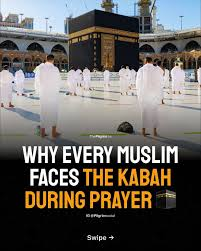
To face the Qiblah (optional, but recommended) means turning toward the Kaaba in Makkah while performing certain acts of worship, especially dua. The Qiblah represents unity, obedience, and direction in Islam.
Although facing the Qiblah is obligatory during Salah, it is optional but recommended in other acts such as dua, remembrance of Allah (dhikr), and seeking forgiveness. This recommendation reflects Islamic etiquette rather than strict obligation.
Why Muslims Are Encouraged to Face the Qiblah (Optional, but Recommended)
Islam encourages order, discipline, and mindfulness in worship. Facing the Qiblah helps believers direct both their body and heart toward Allah.
When Muslims face the Qiblah (optional, but recommended), it creates a sense of focus and seriousness in worship. It reminds believers that they are standing before Allah, regardless of where they are physically located.
Face the Qiblah (Optional, but Recommended) During Dua
Dua is a personal conversation with Allah. While dua can be made in any position and direction, scholars agree that it is best to face the Qiblah (optional, but recommended) when possible.
Facing the Qiblah during dua:
- Increases concentration
- Shows respect and humility
- Follows the practice of the Prophet (peace be upon him)
This etiquette enhances the spiritual atmosphere and encourages sincerity in supplication.
Spiritual Benefits of Facing the Qiblah
Strengthens Focus in Worship
When a believer faces the Qiblah (optional, but recommended), distractions are reduced. Direction brings mental clarity and helps the heart remain present with Allah.
Builds a Deeper Connection With Allah
Facing the Qiblah symbolizes turning completely toward Allah. This physical act reinforces spiritual awareness and dependence on Him alone.
Encourages Humility and Discipline
Islam teaches discipline through small actions. Choosing to face the Qiblah (optional, but recommended) reflects obedience and respect toward divine guidance.
Face the Qiblah (Optional, but Recommended) in the Light of Sunnah
The Prophet Muhammad (peace be upon him) often faced the Qiblah during supplication. Many authentic narrations mention that he raised his hands and turned toward the Qiblah while making dua.
Following this practice is not compulsory, but it is highly encouraged. Emulating the Prophet’s behavior increases reward and brings believers closer to the Sunnah.
Is It Sinful Not to Face the Qiblah?
No. It is important to clarify that face the Qiblah (optional, but recommended) does not mean mandatory outside of Salah. If a person is unable to face the Qiblah due to circumstances, there is no sin.
Islam is a religion of ease. Allah judges intentions, sincerity, and effort—not physical limitations.
Situations Where Facing the Qiblah Is Difficult
There are many situations where facing the Qiblah may not be possible:
- While traveling
- During illness
- In crowded or public places
- During emergencies
In such cases, dua and worship remain fully valid. Allah accepts supplication regardless of direction when sincerity is present.
Psychological Impact of Facing the Qiblah
Facing a specific direction during worship creates a sense of stability and calm. When believers face the Qiblah (optional, but recommended), it provides emotional grounding and peace.
This consistent practice helps reduce anxiety and increases spiritual mindfulness, especially during stressful times.
Face the Qiblah (Optional, but Recommended) and Unity of the Ummah
The Qiblah unites Muslims worldwide. Millions of believers face the same direction daily, regardless of nationality or culture.
By choosing to face the Qiblah (optional, but recommended), believers participate in a global act of unity that strengthens the sense of belonging to the Muslim Ummah.
Common Misunderstandings About Facing the Qiblah
Some people believe that dua is invalid without facing the Qiblah. This is incorrect. Dua is accepted based on sincerity, not direction alone.
Facing the Qiblah is an etiquette, not a requirement. Understanding this balance prevents unnecessary confusion and guilt.
How to Practice Face the Qiblah (Optional, but Recommended) in Daily Life
Believers can adopt this practice easily:
- Face the Qiblah when making personal dua at home
- Turn toward the Qiblah during night prayers
- Sit facing the Qiblah while doing dhikr
Small habits like these increase mindfulness and spiritual consistency.
Final Thoughts
To face the Qiblah (optional, but recommended) is a beautiful Islamic etiquette that enhances worship, focus, and connection with Allah. While it is not mandatory in all situations, it reflects respect, humility, and awareness of Allah’s presence.
Islam encourages ease, sincerity, and intention above formality. Facing the Qiblah when possible adds depth and meaning to worship, but Allah’s mercy remains vast for all who turn to Him sincerely.