Introduction
Islam and modern society are often portrayed as conflicting concepts, but in reality, Islam provides a balanced and practical framework that fits naturally within contemporary life. As societies evolve with technology, globalization, and changing social norms, Islamic teachings continue to offer guidance rooted in ethics, justice, and compassion. Rather than rejecting modernity, Islam encourages beneficial progress while maintaining moral boundaries. This article explores how Islam and modern society can coexist harmoniously without compromising faith or progress.
Understanding Islam in the Modern Context
Islam is not limited to rituals and worship; it is a complete way of life that addresses personal behavior, social responsibility, economic fairness, and governance. In modern society, Muslims face new challenges such as digital lifestyles, fast-paced work culture, and shifting family structures. Islamic principles, derived from the Qur’an and Sunnah, remain relevant because they are based on universal values like honesty, responsibility, and respect for human dignity.
Islam and modern society intersect most clearly in daily decision-making, where ethical choices matter more than ever.
Islam and Education in Modern Society
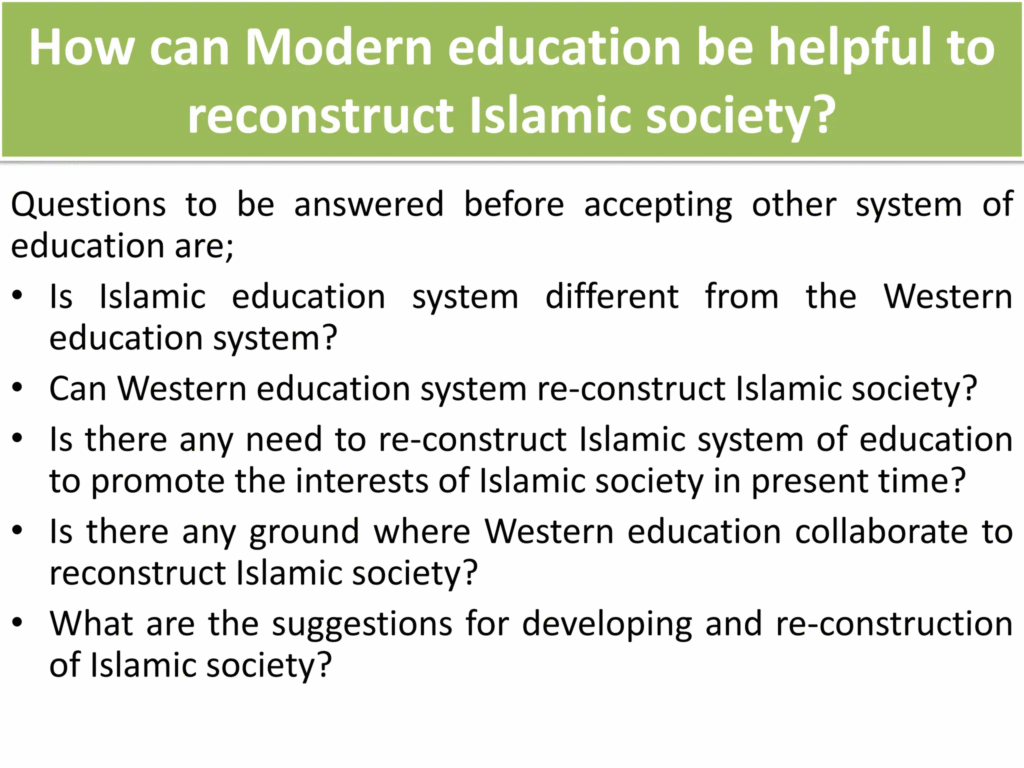
Education is highly valued in Islam. The first revelation emphasized knowledge, making learning a lifelong obligation. In modern society, education includes science, technology, and critical thinking, all of which align with Islamic teachings. Islam encourages Muslims to seek beneficial knowledge that improves society and strengthens faith.
Modern educational systems allow Muslims to excel academically while practicing Islamic values such as discipline, humility, and sincerity. Thus, Islam and modern society complement each other through education.
Technology and Islam
Technology plays a central role in modern society. Islam does not oppose technology; instead, it emphasizes responsible use. Social media, artificial intelligence, and digital communication can be tools for spreading knowledge, promoting justice, and strengthening community bonds when used ethically.
Islam and modern society meet in the digital space when technology is guided by moral responsibility rather than harmful intentions. Avoiding misuse, protecting privacy, and promoting truth are core Islamic principles relevant today.
Social Justice and Human Rights
One of the strongest connections between Islam and modern society is the emphasis on social justice. Islam strongly advocates equality, fairness, and protection of human rights. Modern society also values these principles, making Islamic teachings highly relevant in addressing issues like discrimination, poverty, and injustice.
Islam teaches that all humans are equal regardless of race or status. This aligns with modern human rights movements and reinforces the idea that Islam supports a just and inclusive society.
Family Values in a Changing World
Modern society has seen significant changes in family structures and relationships. Islam places strong importance on family as the foundation of society. Respect for parents, care for children, and mutual responsibilities between spouses remain essential Islamic teachings.
Islam and modern society can work together by preserving family values while adapting to contemporary realities such as education, career growth, and social mobility.
Islam, Work, and Professional Life
In modern society, professional success is often linked to competition and productivity. Islam encourages hard work, honesty, and ethical earning. These values promote sustainable success and trust in professional environments.
Islam and modern society intersect in workplaces when integrity, fairness, and accountability guide actions. Ethical business practices taught in Islam remain essential in today’s global economy.
Women in Islam and Modern Society
A common misconception is that Islam limits women’s roles in modern society. In reality, Islam grants women rights to education, property, work, and dignity. Modern society provides platforms for women to participate actively in social and professional life, which aligns with Islamic teachings when conducted within moral guidelines.
Islam and modern society can empower women through education, respect, and ethical freedom.
Mental Peace in a Fast-Paced World
Modern society often creates stress, anxiety, and emotional imbalance. Islam offers spiritual practices such as prayer, remembrance, and gratitude that provide inner peace. These practices help individuals remain mentally strong while navigating modern challenges.
Islam and modern society intersect here by addressing mental health through spiritual balance and purpose-driven living.
Final Thoughts
Islam and modern society are not opposites but complementary forces when understood correctly. Islam provides ethical guidance, moral clarity, and spiritual balance that modern society deeply needs. By embracing progress while maintaining faith, Muslims can live confidently and contribute positively to the modern world. Islam remains timeless, offering solutions that adapt to every era without losing its core principles