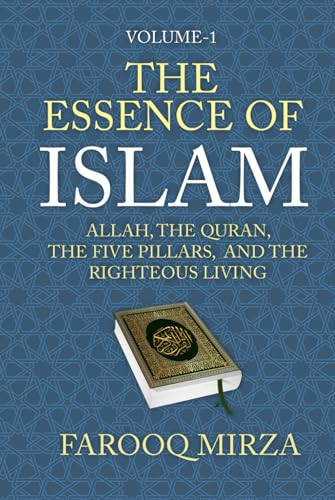
Introduction: Understanding the Essence of Islam
The Essence of Islam is not just about rituals but a complete way of life that guides its followers toward spiritual growth, ethical conduct, and harmonious society. Rooted in the teachings of the Holy Quran and the Hadith, Islam provides a framework for moral development, social responsibility, and connection with Allah.
The Five Pillars: Core of the Essence of Islam
The core framework of a Muslim’s life is structured around the Five Pillars of Islam, which perfectly illustrate the Essence of Islam in daily practice.
1. Shahada (Faith)
The declaration of faith — “There is no god but Allah, and Muhammad is His messenger” — forms the foundation of Islamic belief and represents the very heart of the Essence of Islam.
2. Salah (Prayer)
Prayer strengthens the connection with Allah. Performing Salah five times daily reminds Muslims of their responsibilities and helps cultivate spiritual mindfulness.
3. Zakat (Charity)
Giving a portion of wealth to the needy purifies wealth and promotes social justice, reflecting the ethical principles central to the Essence of Islam.
4. Sawm (Fasting)
Fasting during Ramadan teaches self-restraint, compassion, and spiritual reflection — essential elements of the Essence of Islam.
5. Hajj (Pilgrimage)
The pilgrimage to Mecca symbolizes unity, equality, and devotion, highlighting the communal and spiritual dimensions of the Essence of Islam.
Core Values Reflecting the Essence of Islam
Justice and Fairness
The Essence of Islam encourages justice in all spheres of life, ensuring fairness in personal and social matters.
Compassion and Mercy
Kindness and empathy toward all creatures reflect the moral heart of Islam.
Honesty and Integrity
Truthfulness is emphasized throughout the Quran and Hadith, reinforcing the Essence of Islam in daily life.
Patience and Perseverance
Life challenges require patience, a key virtue within the Essence of Islam.
Respect and Tolerance
Respect for parents, elders, and society reflects the practical application of the Essence of Islam.
Modern Application of the Essence of Islam
In today’s world, the Essence of Islam guides ethical decision-making, personal growth, and community welfare. Key applications include:
- Ethical work and business practices
- Community service and charitable acts
- Environmental responsibility
- Spiritual well-being through prayer and reflection
Spiritual Growth Through the Essence of Islam
Spiritual development, or Ihsan, focuses on excellence in worship and character. Muslims strengthen their relationship with Allah by:
- Regular prayer and meditation
- Reading and reflecting on the Quran
- Seeking forgiveness
- Maintaining gratitude and contentment
This inner growth reflects the true Essence of Islam, promoting peace and fulfillment.
Final Thoughts : Embracing the Essence of Islam
The Essence of Islam encompasses faith, practice, and moral conduct. By embracing its teachings, Muslims can achieve spiritual growth, ethical living, and contribute to a harmonious society. Understanding and applying the Essence of Islam in daily life ensures a balanced, purposeful, and meaningful journey.